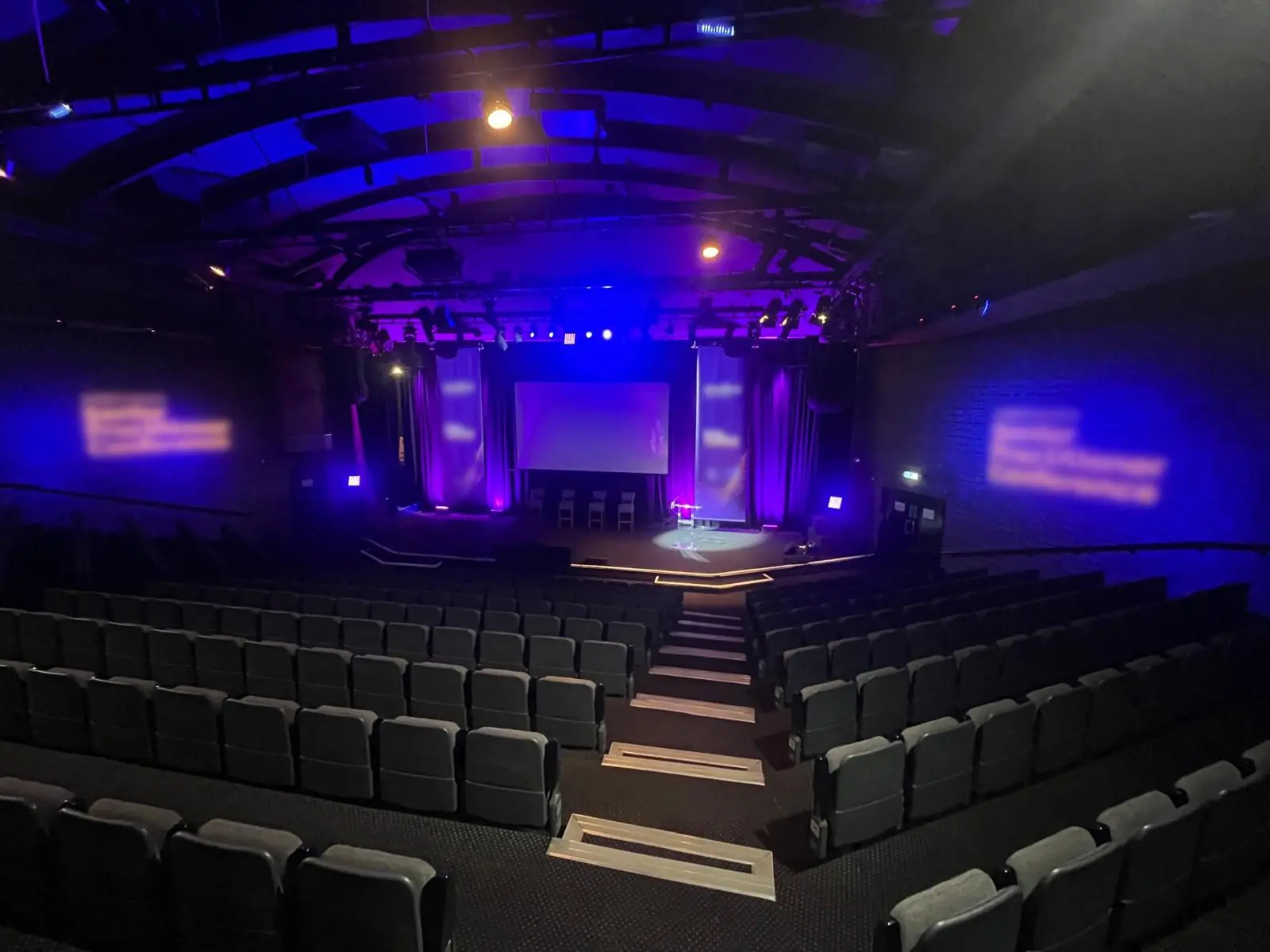
Strategic Meetings Management
Take control of your meetings and events.
Bring meetings and event spend into one structured programme — with greater visibility, stronger governance and better commercial outcomes.
- MarketingProduct launches
- SalesConferences, incentives
- HRAway days, training
- ProcurementVenue contracts
- Regional officesLocal meetings
Meetings
Management
- SourcingVenues and rates
- ContractingConsistent terms
- ReportingSpend and activity
Where activity comes from
- MarketingProduct launches
- SalesConferences, incentives
- HRAway days, training
- ProcurementVenue contracts
- Regional officesLocal meetings
- SourcingVenues and rates
- ContractingConsistent terms
- ReportingSpend and activity
StrategyProcurementGovernanceDataReporting
Strategic Meetings Management is delivered by Eureka Events Ltd, a UK corporate events, venue-finding and destination management agency.
Definition
Most organisations don’t have a meetings problem.They have a visibility problem.
What Strategic Meetings Management actually means
Strategic Meetings Management (SMM) is the practice of managing an organisation’s meetings and events as a single coordinated programme rather than as a series of unrelated individual purchases. Instead of each department briefing, sourcing, negotiating and contracting on its own, requirements travel through one consistent route — with shared process, shared supplier arrangements and a shared view of what is being spent.
It covers how meetings are briefed, how venues and suppliers are sourced and procured, how contracts and approvals are handled, what data is captured, and how that data is reported back to procurement and finance.
The problem
Your meetings aren’t the problem. Managing them individually is.
A mid-sized organisation can easily run a few hundred meetings and events a year without anyone setting out to. Marketing books a conference. Sales books a kick-off. HR arranges training. Executive assistants book board meetings. Regional offices book their own venues. Each of those decisions is defensible on its own.
The difficulty is what happens when you add them together.
Where the activity comes from
- Sales
- Marketing
- HR and learning
- Training
- Leadership and board
- Client engagement
- Conferences
- Incentives
- Internal communications
What organisations lose sight of
When those are commissioned separately, organisations commonly lose sight of:
- 01Total spend across meetings and events
- 02Which suppliers the organisation actually uses
- 03What has been contractually committed, and on what terms
- 04Where consolidated buying would be possible
- 05What activity is happening, and where
- 06Whether internal policy is being followed at all
None of that is a failure of the people organising the meetings. It is a consequence of there being no route through which the organisation can see them together. That is the gap Strategic Meetings Management fills.
Fragmented activity, centralised programme
Before
Fragmented
Each team finds its own route to a supplier. Nobody holds the whole picture.
- Marketing
- Sales
- HR
- Leadership
- Regional offices
- Venue A
- Venue B
- Agency C
- Venue A again
- Total spend unknown
- Same venue bought twice, on different terms
- Contracts held in individual inboxes
- Procurement involved after the decision
After
Centralised
The same teams, the same meetings — one route through which requirements travel.
- Marketing
- Sales
- HR
- Leadership
- Regional offices
- Preferred venues
- Negotiated suppliers
- Event delivery
- Activity visible across departments
- Repeat venues identified and negotiated once
- Contracts held consistently
- Procurement sees requirements before commitment
The model
Six stages, repeated — not a one-off project
A programme is built and then run. The first pass establishes what exists and puts a workable framework around it; every pass after that uses what the last one produced.
How each stage works in practice- 01
Discover
Understand existing activity, processes, spend and stakeholders.
- 02
Design
Create the appropriate meetings-management framework.
- 03
Centralise
Provide a consistent route for meeting and event requirements.
- 04
Procure
Source venues and suppliers and negotiate commercially.
- 05
Measure
Capture programme activity and relevant spend data.
- 06
Improve
Use the information gathered to refine the programme over time.
The loop repeats. What you learn in Measure changes what you do in Design next time.
- 01
Discover
Understand existing activity, processes, spend and stakeholders.
- 02
Design
Create the appropriate meetings-management framework.
- 03
Centralise
Provide a consistent route for meeting and event requirements.
- 04
Procure
Source venues and suppliers and negotiate commercially.
- 05
Measure
Capture programme activity and relevant spend data.
- 06
Improve
Use the information gathered to refine the programme over time.
The loop repeats. What you learn in Measure changes what you do in Design next time.
What changes
Four things a coordinated programme gives you
What a programme will not do is guarantee a particular saving. Anyone who tells you otherwise before looking at your activity is guessing. What it does is make the commercial position visible enough that you can act on it.
- VisibilityUnderstand what meetings and events are taking place across the organisation, which teams are commissioning them, and where the relevant spend is going.
- BuyingConsolidate requirements where they overlap and apply professional venue and supplier sourcing rather than repeating the same search from scratch each time.
- ConsistencyGive teams a clear, documented process for commissioning a meeting or event — so the answer to "how do I book this?" is the same in every office.
- InsightBuild programme-level reporting rather than leaving event information scattered across individual inboxes, calendars and spreadsheets.
Before and after
What would better meetings management look like?
| From | To |
|---|---|
| Multiple routes for meeting requests | One coordinated process |
| Fragmented supplier activity | Greater supplier visibility |
| Event data distributed across departments | Programme-level reporting |
| Reactive sourcing | Structured procurement |
| Every meeting starting from scratch | Repeatable processes |
This is a direction of travel, not a switch that gets flipped. Most organisations move through it in stages, and most stop somewhere sensible rather than pursuing every element.
A distinction worth holding on to
Event management asks
“How do we deliver this event successfully?”
A question about one event: the venue, the run of show, the delegates, the budget, the day itself.
Strategic Meetings Management asks
“How should our organisation manage all of its meetings and events?”
A question about the portfolio: how requirements arrive, how they are bought, who is accountable and what the organisation learns from the whole of it.
Both matter. They are not the same job, and confusing them is why some organisations buy event management when what they actually needed was a programme — or write a policy when what they actually needed was someone to run the events.
The full comparison, dimension by dimension
Who it is for
When SMM starts to be worth the effort
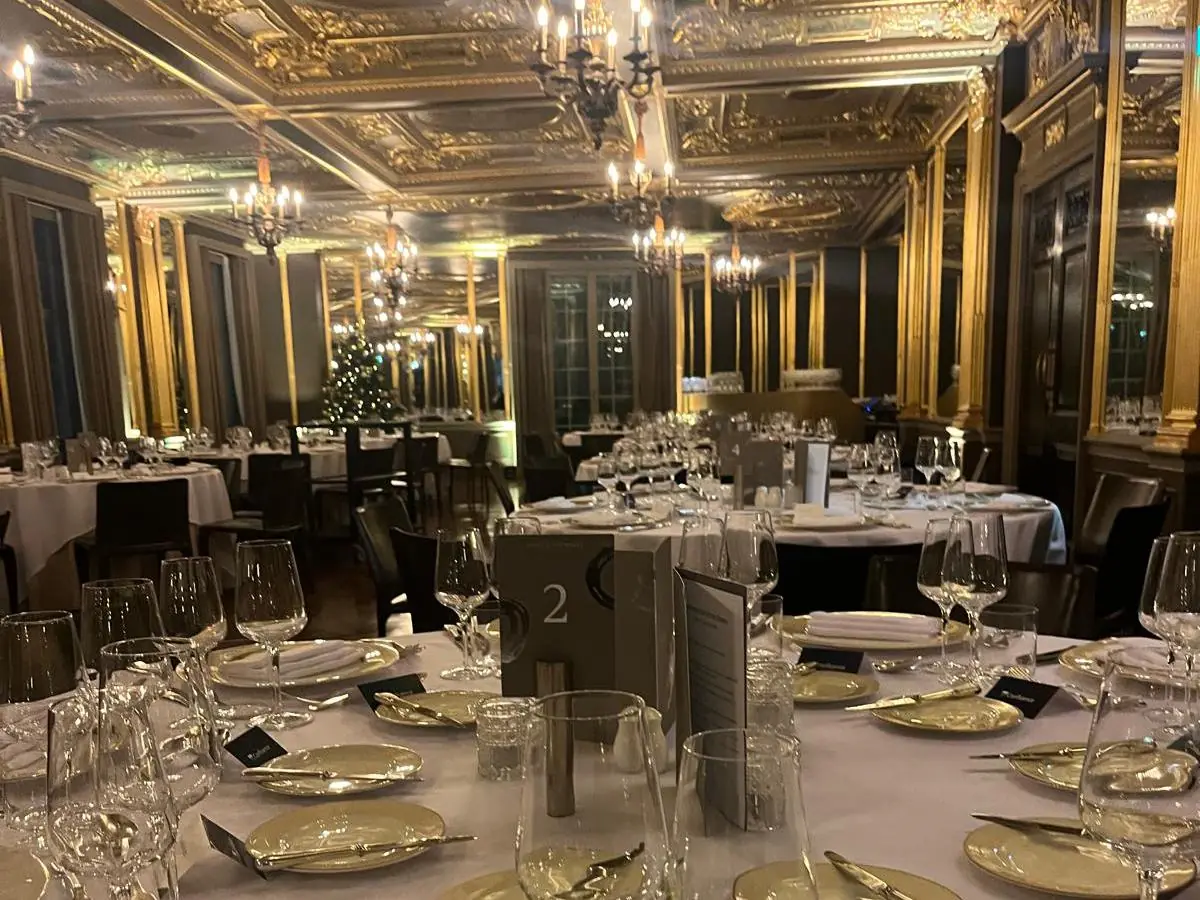
Strategic Meetings Management earns its keep in specific circumstances rather than universally. It becomes relevant where an organisation has:
- Frequent meetings and events rather than occasional ones
- Multiple offices or sites
- Several departments organising events independently
- Substantial venue spend
- The same venues being sourced repeatedly
- Fragmented supplier relationships
- Limited central reporting on meeting activity
- Procurement objectives that meetings currently sit outside
- Growing event activity and no corresponding internal resource
If your organisation runs a handful of events a year through one person who knows exactly what is happening, you probably do not need a programme. You need a good venue finder.
How engagements are shaped
Scope is built around your programme, not sold as a package
What makes commercial sense depends on how much activity there is, what is already working internally and how much you want to keep in-house. Three broad shapes cover most arrangements.
- 01
Centralised sourcing
Central meeting and event briefs and venue sourcing. A single route in for requirements, with professional sourcing behind it.
- 02
Managed programme
Sourcing plus supplier coordination, programme processes and reporting. The framework as well as the buying.
- 03
Extended event support
A managed programme plus event-management services where individual meetings need them delivering rather than just sourcing.
These are descriptions of scope, not fixed packages, and they are not priced on this website. Venue commissions may form part of the commercial model where they apply; where they do, that is set out openly and agreed with you rather than left unmentioned.
Start a conversation
Find out how strategically your organisation currently manages meetings and events.
An SMM Review is a structured look at what is actually happening today. It is not a pitch, and it does not require you to have your data in order first — not having it is usually the point.
A review can consider
- How meetings are commissioned
- Sourcing
- Procurement involvement
- Suppliers
- Contracts
- Approvals
- Available spend data
- Reporting
- Event delivery
- Opportunities for centralisation